

The importance of oral hygiene during orthodontic treatment
Oral hygiene is always important. Diligent brushing and flossing along with regular visits to your dentist help to maintain a healthy mouth and keep harmful bacteria at bay. Your dentist has probably warned you about what happens if you don’t follow their oral hygiene instructions. Lapses or negligence when it comes to proper oral care can lead to plaque build-up, which can ultimately lead to tooth decay, gum disease, infection, and other conditions that are more challenging to treat.
While prioritizing oral health is a lifelong commitment that always pays in dividends, oral hygiene is even more critical when you’re undergoing orthodontic treatment. For one, the wires and brackets of braces can make it more challenging to clear away food residue, increasing the likelihood of plaque build-up, cavities, and permanent discoloration of your teeth. Poor oral hygiene during your braces treatment can also lead to other orthodontic problems. Lingering bacteria in your mouth can harm the tissues that support your teeth, which are already under more pressure as your teeth are repositioned through orthodontics.
Patients in orthodontic treatment programs should remember: while your orthodontist is in charge of expertly repositioning your teeth, the health of your new smile is largely in your hands. The manner in which you care for your teeth during your orthodontic treatment will have a huge impact on your results once your braces are removed.
What is plaque and why is it harmful?
Your mouth is host to an entire ecosystem—approximately 500-650 species of bacteria! Dental plaque is a part of this lively ecosystem. You’ve probably felt plaque on your teeth in the mornings before you brush—plaque is a sticky film of bacteria and bacteria by-products that coats teeth. The germs that live in plaque digest sugar, which produces acid. If this acid is not removed, it eats away at your tooth’s enamel, leading to decay and cavities, as well as bad breath.
How to maintain good oral hygiene during treatment
The frequency and thoroughness of your at-home teeth cleanings during your treatment is critical to maintaining good oral hygiene in the short and long term.
Brushing
While in treatment with braces or aligners, orthodontic patients should brush after every meal or snack. We know—that’s a lot of brushing! As revolutionary and effective as they are, braces essentially act as plaque traps in your mouth. Food debris can become easily trapped around and between brackets, leading to more build-up and a greater risk of cavities. The only way to stay on top of oral hygiene with braces is constant, thorough removal of all debris. It’s a good idea to take a small toothbrush with you wherever you go during treatment. If you can’t brush after a meal for some reason, at least rinse with water to dislodge any remaining food.
Whether you use a manual or electric toothbrush is up to you. Whatever you choose, get brushing! (And stay on the look-out: because you’ll be brushing more frequently, you may need to replace your toothbrush sooner than the recommended 12 weeks.)
Flossing and Rinsing
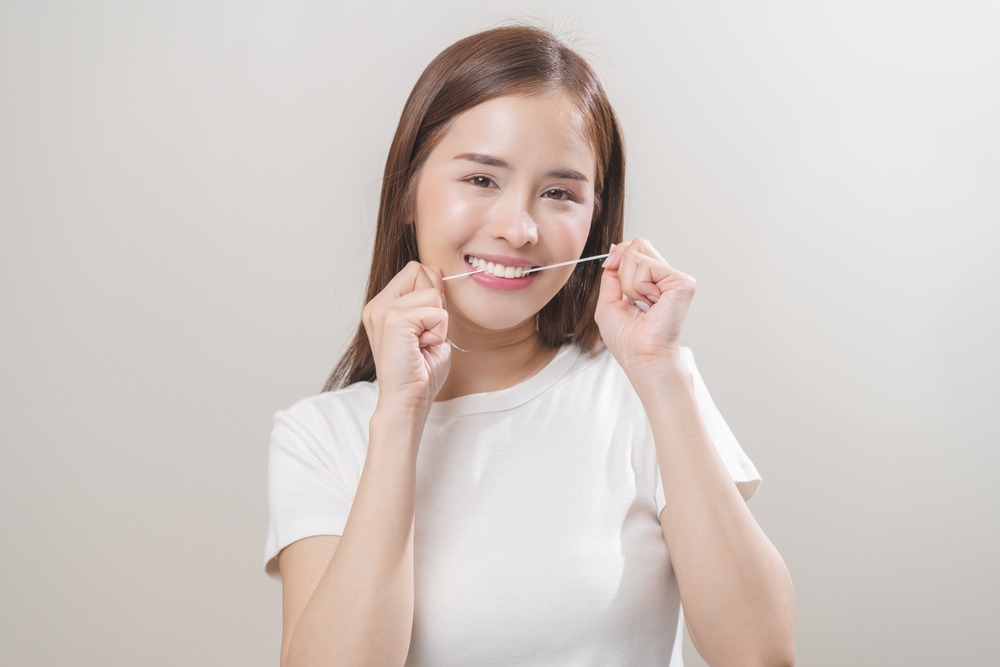
Proper brushing with a good toothbrush is only half the battle—literally. If you don’t floss, you’re missing about 40% of your teeth when you clean. Without braces, you can usually floss once a day and maintain good oral health. However, with braces, you should make every effort to “level up” your floss game. Aim to floss after every meal, but if that’s not possible, once a day is the minimum.
Finish up your regular teeth cleaning with an alcohol-free fluoride rinse to keep teeth clean and strong.
Visit your dentist regularly
Orthodontics and dentistry are closely related, and your orthodontist and dentist work together to make sure your smile is as healthy as it is beautiful. Orthodontic patients should see the dentist every six months for cleanings and oral health check-ups.
Proper oral care tools and techniques for braces patients
Your orthodontist and their staff will give you specific cleaning instructions to keep your teeth healthy while in treatment. They may also give you special tools to make brushing and flossing easier while you have braces. Interproximal brushes look like little toothbrushes, and can help dislodge anything tapped between teeth, wires, and brackets. Water irrigators, or water flossers, are another great tool that use a jet of water to clean between teeth and hardware. If you’re using regular floss, a floss threader will help you move floss around wires to ensure a thoroughly clean and sparkling smile.
When you’re brushing, you should make sure to brush all around your brackets, aiming at an angle on top of and underneath each one. Also try to brush around each bracket and under the wires. It may sound complicated, but with a little practice, you’ll be a professional braces brusher.
Lifestyle changes during orthodontic treatment
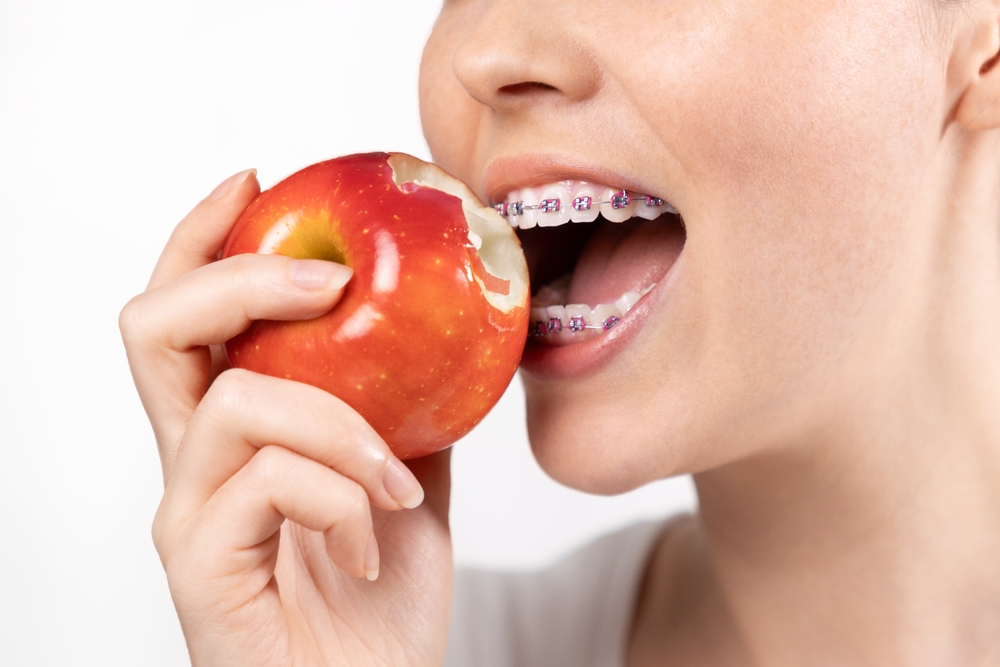
In addition to the increased importance of oral hygiene, you can expect a couple of temporary lifestyle changes when you have braces. One of these relates to mealtimes. There are some foods that are off-limits while you’re in braces. In general, foods that are hard, sticky, or crunchy must be avoided. This may include caramels, crunchy bread, popcorn, hard pretzel nuts, and mints. Foods like this can easily damage brackets and wires, delaying your treatment. But don’t worry—there are lots of healthy, delicious foods you can enjoy in braces! These foods include pastas, casserole, soups, stews, scrambled eggs, and smoothies. Easy to chew sandwiches and pizzas are okay, too, when they’re cut into smaller pieces.
If you’ve opted for a different route in orthodontics, like Invisalign, there’s no need to avoid certain foods. Since aligners are removable, you won’t have to worry about damaging your braces with food. However, excellent oral hygiene is just as important as it is with braces.
And finally, no matter what your treatment looks like, it’s important to prioritize it! In addition to diligent, thorough oral hygiene at home, make sure to keep up with your orthodontist and dentist appointments. Your new smile depends on it! Missing or delaying appointments can extend treatment time and cost.
Improve your oral health with orthodontics
Committing to proper brushing and flossing during your treatment will set you up for a lifetime of good habits and good health, just like investing in orthodontics! Straight teeth are not only more visually pleasing—they’re also much easier to clean once all the hardware from your treatment is removed. Even though cleaning your teeth may be a little more time-consuming during your treatment, remind yourself that you’ve already made the leap towards a healthier future. You’re on the right track. Keep it up!
Start your journey at Hutta Orthodontic Specialists
At Hutta Orthodontic Specialists, we partner with all of our patients on their journey toward a beautiful smile– we’re there each step of the way. With professional, compassionate doctors, cutting-edge technology, and a warm office environment that makes you feel at home, we guarantee an experience you’ll enjoy and a grin you’ll love. Stop by for a visit, and you’ll see why thousands choose to entrust their smiles and their health to Hutta hands.